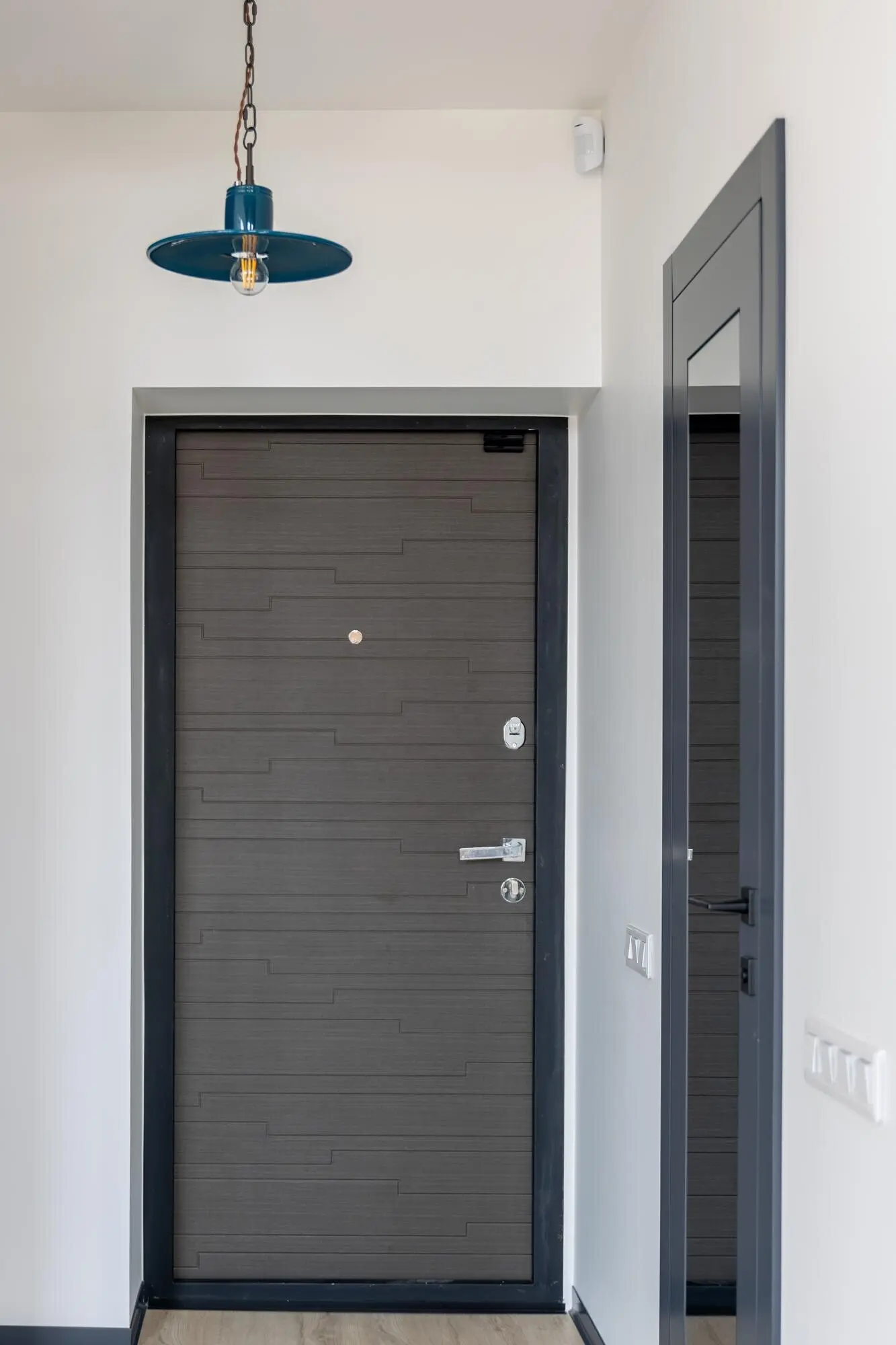
Remodel in Smart Stages Without Breaking the Bank or Your Calendar
Today we’re focusing on phased remodeling plans for tight budgets and busy schedules, showing how careful sequencing, realistic timelines, and flexible spending can transform a home over months, not minutes. Expect practical steps, honest lessons, and encouragement drawn from real projects that balanced careers, families, and limited funds without sacrificing quality or long-term vision.
Start With a Strategic Audit
Before swinging a hammer, map the house like a strategist. Identify urgent repairs, energy leaks, and opportunities that will compound value later. A good audit clarifies what must happen first, what can wait, and how each decision protects dollars and time over the entire journey.
Room-by-Room Triage
Walk through each space with a notebook and ruthless honesty. List safety issues, broken systems, and everyday annoyances in order of impact on daily life. This prioritization anchors your first phase, channels limited funds into the biggest wins, and prevents cosmetic distractions from delaying essential improvements with real, measurable benefits.
Safety and Code First
Electrical hazards, hidden moisture, and wobbly stairs quietly tax your wallet and your nerves. Address them immediately to avoid compounding costs and project paralysis. Clearing these obstacles early unlocks smoother inspections, faster scheduling, and a durable foundation for prettier upgrades, ensuring future phases remain clean, predictable, and budget-friendly.

Budgeting That Breathes
A rigid budget snaps under real-life pressure. Build a flexible plan that accounts for cash flow, seasonal discounts, and inevitable surprises. Use target ranges, not wishful numbers. Tie each phase to tangible outcomes so you can pause gracefully, recalibrate costs, and resume without debt or regret.
Schedules Built for Real Life
Design Friday-to-Sunday task bundles with clear start and finish. For example: demo small sections, patch, then prime, leaving Monday livable. Avoid multi-room chaos. When each weekend ends with a visible win and a tidy space, morale rises, dust settles, and the next phase begins sharper, quicker, and calmer.
Track supplier timelines religiously, especially for appliances, windows, and specialty fixtures. Order long-lead items early and schedule work backward from delivery dates. This simple discipline prevents crews from standing idle, reduces rush fees, and shields your schedule from surprises that derail evenings and weekends you fought hard to protect.
Add cushions around every milestone, including drying, inspection windows, and inevitable re-dos. Protect family events, travel, and work peaks by marking blackout dates. A realistic buffer transforms setbacks into manageable pauses rather than crises, sustaining momentum while preserving peace at home and focus where your career needs it most.
Design Once, Build in Chapters
Master Specifications Binder
Collect paint codes, tile SKUs, trim dimensions, grout colors, and fixture models in one living document. Include cut sheets and installation notes. This binder guides contractors, eliminates guesswork, and guarantees that months later, your hallway baseboard perfectly matches the bathroom casing, preserving continuity even as phases unfold slowly.
Future-Proofed Infrastructure
Run extra conduit, add blocking for future shelves, and oversize junction boxes where possible. Even if the current phase stops at drywall, the next chapter gains speed and savings. Thinking ahead behind the scenes prevents tear-outs, consolidates mess into fewer weekends, and keeps your long-term goals within comfortable reach.
Consistent Aesthetic Threads
Choose a limited palette, repeating metals, and a couple of signature textures that echo from room to room. Consistency creates calm and makes budget materials feel elevated. Small elements, like matching door levers or aligned sightlines, unify chapters, letting each finished space feel complete instead of conspicuously waiting for another upgrade.
DIY and Pro: The Right Mix
Balance pride and prudence. Tackle tasks that fit your skills and schedule, and hire specialists where safety, speed, or precision matter. This hybrid approach preserves budget, respects building codes, and keeps weekends enjoyable. The result is progress that feels empowered, not overwhelmed or dangerously improvised.
Skill and Risk Matrix
List tasks by complexity and consequence. Painting, demo, and trim caulking often belong to you. Structural changes, panel upgrades, and gas lines belong to licensed pros. Matching jobs to capability prevents expensive fixes, limits stress, and shortens timelines because every hour delivers meaningful, safe, forward motion.
Permits and Inspections Without Panic
Call your building department early. Ask about thresholds, drawings, and scheduling. Treat inspectors as allies who protect resale value and safety. When paperwork is clear and expectations are known, your phases glide through approvals, keeping momentum strong and shielding budgets from last-minute redesigns or painful penalties nobody wants.
Learning Curve With Guardrails
Practice new skills on scrap, watch reputable tutorials, and stage small pilot projects. Set quality benchmarks and time limits before escalating complexity. These guardrails let you grow without risking critical areas, enabling satisfying DIY contributions that complement professional work while preserving timelines, budgets, and household sanity throughout the process.
Keep Momentum, Stay Motivated
Long projects succeed when energy is managed like money. Track wins, share progress, and celebrate small transformations. When setbacks happen, reframe them as learning. Invite accountability partners. Sustainable motivation converts tight budgets and rushed weeks into steady achievement that genuinely improves comfort, function, and pride at home.


All Rights Reserved.