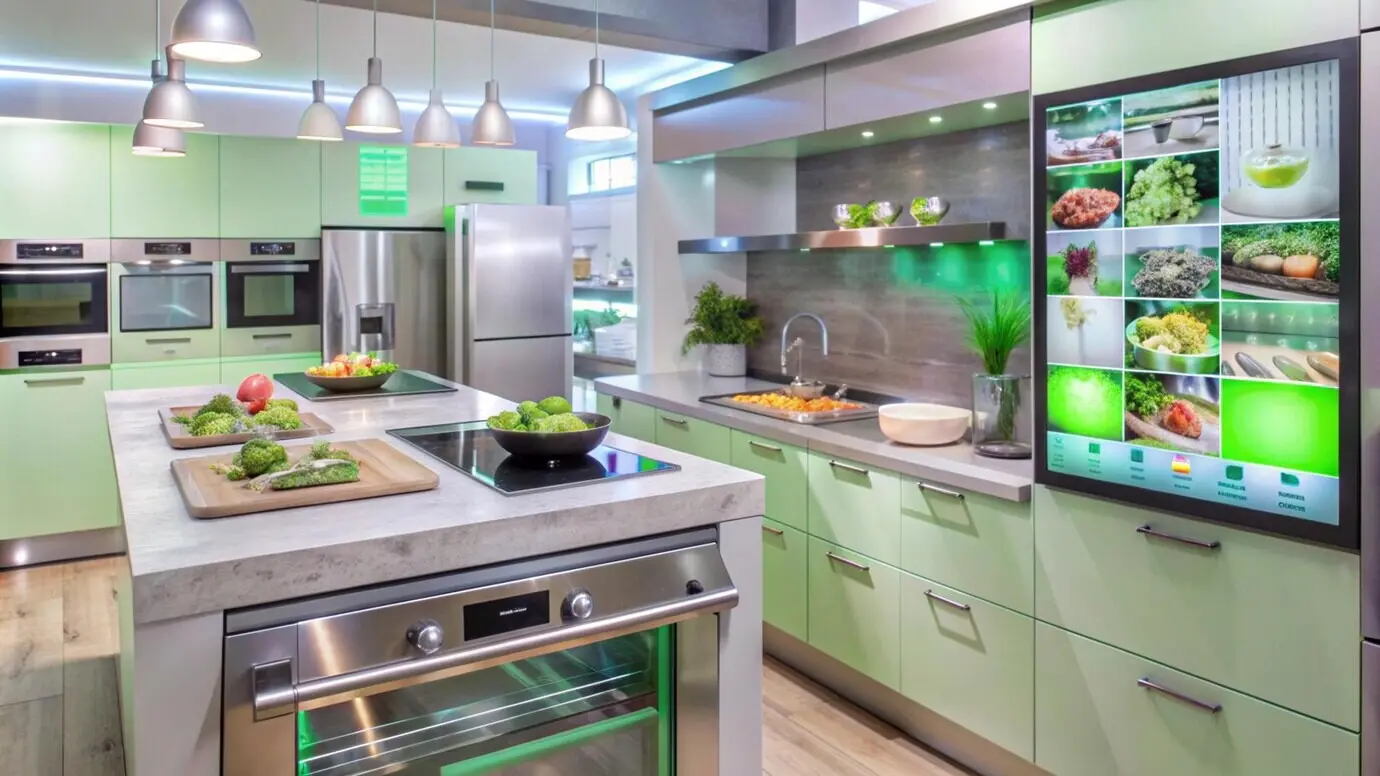
From Blueprint to Budget: Transform Your Home with Smart Makeovers

We’re diving into Blueprint-to-Budget Home Makeovers, guiding you from early sketches and careful measurements to beautiful, cost-wise results you can be proud of. Expect practical frameworks, easy planning rituals, and real-life stories that keep savings safe, reduce regret, and help you love every square foot without overspending.

Set Your Vision and Priorities

Clarity saves money. Before picking paint or tile, define what success looks like, where you will compromise, and where you will not. Use simple language, timelines you can actually meet, and priorities that reflect how you live today and want to live tomorrow, not just pretty photos.

Measure, Sketch, and Plan

Good measurements are money in the bank. A simple as-built sketch prevents wrong orders, misfit cabinets, and wasted deliveries. With a tape, laser, and graph paper, you can map reality, test layouts, and model costs before any demolition. Planning reduces surprises and shortens disruptive, expensive downtime.

Materials, Fixtures, and Finishes on a Budget

Spend where hands and eyes land daily, save where they do not. Stock cabinets with upgraded hardware beat custom in many kitchens. Mid-range faucets with lifetime warranties often outperform luxury branding. Smart alternates, timed purchases, and layered finishes deliver boutique results with grocery-store receipts.

01

Value-Engineering Without Compromise

Choose durable cores beneath decorative layers: plywood over particleboard for moisture zones, quartz remnant over exotic slab, and porcelain that imitates stone. Preserve impact with thoughtful edges, aligned grout lines, and well-placed lighting. You keep performance and delight, while trimming the parts guests never notice.

02

Smart Sourcing and Timing

Stack coupons with holiday sales, request open-box discounts, and ask for contractor pricing even as a homeowner. Reserve delivery dates during off-peak hours to cut fees. Small timing moves create big savings and allow you to reallocate cash toward craftsmanship, warranty extensions, or future upgrades.

03

Salvage, Reuse, and Upcycle

Hunt architectural salvage for solid-core doors, vintage knobs, or unique lighting. Refinish hardwood instead of replacing. A reader’s 1950s bungalow saved thousands by reusing trim, then painting everything one crisp color, creating cohesion that felt intentional, not cheap. Share your favorite finds to inspire others.

Permit Pathways Demystified

Gather scope notes, sketches, and product cut sheets, then ask for the simplest compliant path. Many cosmetic updates require none, while structural or electrical changes often do. Filing correctly speeds approvals, reduces fines, and builds a paper trail that reassures future buyers and lenders alike.

Contingency and Risk Register

Reserve a contingency of at least ten percent, fifteen for older homes or wet areas. List plausible risks—hidden leaks, undersized breakers, or termite damage—and assign response plans. This living register lowers anxiety, accelerates decisions, and keeps spending deliberate when surprises inevitably appear during demolition.

Inspections and DIY Boundaries

DIY paint, demo, and trim touch-ups can be excellent savings. But hire licensed pros for electrical, gas, structural, and complex waterproofing. Schedule inspections proactively to avoid rework. Knowing your boundaries protects safety, preserves warranties, and ensures insurance remains valid if something later goes wrong.

DIY or Pro: The Smart Divide

Choose tasks that reward patience and precision, and outsource those that punish inexperience. Calculate hourly value: if a pro completes in three hours what would take you three weekends, hiring might save cash overall. Blend sweat equity with expertise to maximize pride, safety, and schedule discipline.

Color, Light, and Texture Strategy

Pick one dominant neutral, one supporting neutral, and a single accent. Layer textures—matte paint, woven textiles, and one reflective surface—to create depth. Add warm, dimmable lamps at eye level. Together, these choices create sophistication without dependence on expensive finishes or rare, high-maintenance materials.

Focal Points that Distract from Spend

Create a strong focal point per room: a painted fireplace, oversized art, or a dramatic pendant. When the eye lands purposefully, secondary surfaces can be simpler and cheaper. This trick stretches your budget while still delivering memorable spaces guests love to photograph and talk about later.

Small Details, Big Perceived Value

Upgrade door hardware, switch plates, and vents to a unified finish. Align curtain rods higher and wider to lift ceilings visually. Caulk cleanly and match sheens. These inexpensive details photograph beautifully, feel considered in daily use, and collectively project a custom, calm, and finished impression.

Mopoxulunozematonuxivu
Privacy Overview

This website uses cookies so that we can provide you with the best user experience possible. Cookie information is stored in your browser and performs functions such as recognising you when you return to our website and helping our team to understand which sections of the website you find most interesting and useful.